Source rgb white cpu cooler for Desktop, Server, and Workstation
Compare 30 rgb white cpu cooler options from verified suppliers. Buyers can evaluate heatsink materials, fan sizes, and noise levels to find the right cooling solution for desktop, server, and workstation applications.
Key considerations
Products List


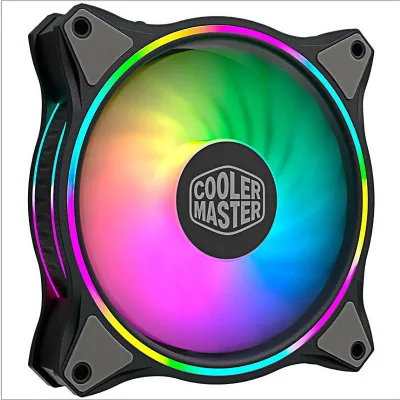
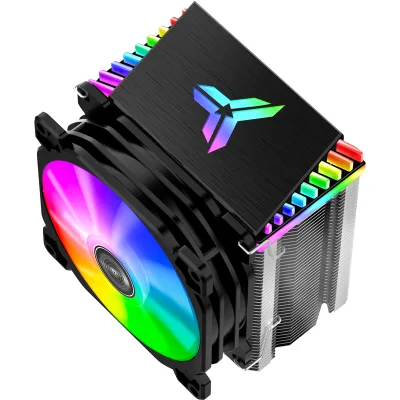


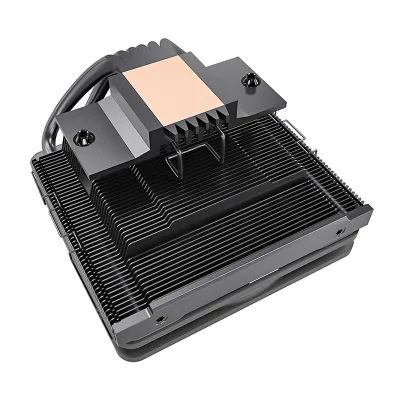
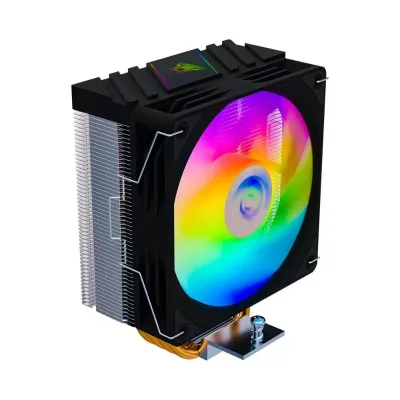


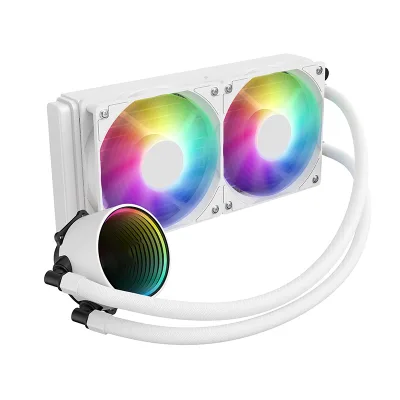
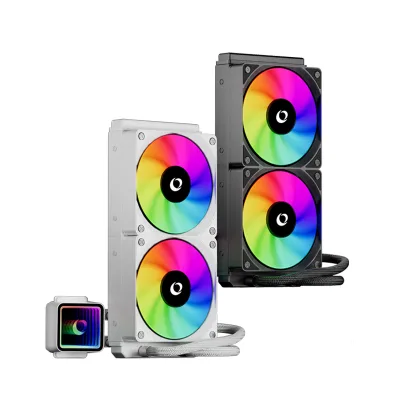


Comprehensive Sourcing Guide
RGB White CPU Cooler Sourcing Guide
Sourcing high-performance thermal solutions requires a disciplined approach to verifying component compatibility and thermal efficiency. The market for CPU coolers is segmented by mounting standards, fan configurations, and aesthetic requirements, with white finishes and RGB lighting becoming standard expectations for modern desktop builds. Buyers must distinguish between generic air cooling solutions and specialized models that support specific socket types, such as Intel LGA 115x/1200 or AMD AM4/AM3 platforms. This guide outlines the critical verification steps for procurement teams evaluating suppliers in this category, ensuring that technical specifications align with end-user performance needs.
The procurement process begins with a clear definition of the thermal design power (TDP) requirements and physical constraints of the target chassis. While aesthetic features like RGB lighting and white coloring are prominent in product listings, the core value proposition remains heat dissipation efficiency. Buyers should prioritize suppliers who provide transparent data on fan speed, airflow volume, and noise levels, as these metrics directly impact system stability and user experience. Understanding the distinction between hydro bearing fans and other bearing types is essential for predicting long-term reliability and maintenance intervals in high-load computing environments.
Product Scope and Observed Listing Signals
The current market landscape for CPU coolers exhibits a wide variance in pricing and minimum order quantities, reflecting the diversity of manufacturing capabilities and target markets. Observed listing signals indicate a price range extending from approximately $1.75 to $30,000 USD, with minimum order quantities (MOQs) typically starting at one unit and scaling up to 1,000 units. This broad spectrum suggests that buyers can source everything from single-unit retail replacements to large-scale OEM contracts, depending on their volume requirements and customization needs. Procurement teams should align their order volumes with supplier tiering, recognizing that lower MOQs may correlate with higher per-unit costs or limited customization options.
Product attributes observed in listings highlight specific design choices that influence procurement decisions, such as the use of aluminum and copper heatsink materials and the integration of heat pipes. Common configurations include models with six heat pipes and fan sizes ranging from 80mm to 140mm, catering to different airflow and noise profiles. Buyers should note that while some listings emphasize "mute" operation or intelligent temperature control, these are specific product features rather than universal standards. Verifying the exact model numbers, such as CW-CPU925 or IceSL EET G6 Stealth, allows for precise comparison of technical data sheets and ensures that the selected cooler meets the specific thermal demands of the target processor.
Technical Specifications to Verify
Technical verification must focus on the physical dimensions and mounting compatibility of the cooler to ensure seamless integration into the target system. Key specifications to validate include the product size, which can vary significantly from compact 86x59x125mm units to larger 146x99x160mm models, and the fan dimensions, which directly impact airflow capacity. Buyers should confirm the support for specific CPU sockets, such as Intel LGA 775/115x/1200 and AMD AM4/AM3, as compatibility issues can lead to costly returns and project delays. Additionally, the weight of the unit, often around 1kg for larger models, is a critical factor for motherboard stress and chassis stability, requiring careful consideration during the design phase.
Performance metrics such as fan speed, airflow volume, and noise levels are paramount for evaluating the efficiency of the cooling solution. Listings may specify fan speeds ranging from 600 to 1400 RPM, with airflow volumes around 55 CFM and noise levels as low as 6 dBA for premium models. Buyers should verify the fan bearing type, with hydro bearing fans offering a balance of longevity and quiet operation, and confirm the working voltage and power interface, typically 12V with a 4-pin connector. It is also essential to check the fan life expectancy, with some models rated for 50,000 hours, to ensure long-term reliability and reduce the risk of premature failure in deployed systems.
Compliance and Safety Documentation
Compliance with international safety and environmental standards is a non-negotiable requirement for B2B procurement in the electronics sector. Buyers must verify that suppliers adhere to recognized standards such as RoHS, which restricts the use of hazardous substances, and ISO 9001, which certifies quality management systems. While some listings mention CE certification, this should be treated as a background indicator rather than a guaranteed status, requiring direct confirmation from the supplier. Procurement teams should request valid certificates and test reports to ensure that the products meet the regulatory requirements of the destination market, avoiding potential customs delays or legal liabilities.
Documentation should also cover the manufacturing origin and packaging standards to ensure product integrity during transit. Products originating from regions like Guangdong, China, often benefit from established supply chains, but buyers should still verify the specific factory locations and quality control processes. The use of standard export packaging is common, but for high-value or fragile components, additional protective measures may be necessary. Buyers should include clauses in their contracts that hold suppliers accountable for any damage incurred during shipping and require proof of proper packaging standards to minimize loss and ensure that products arrive in optimal condition.
Cost Drivers and Commercial Terms
Understanding the factors that influence pricing is crucial for effective budget management and negotiation. The cost of CPU coolers is driven by material choices, such as the use of copper and aluminum, the number of heat pipes, and the quality of the fan components. Customization options, including branding and packaging, can also impact the final price, with available customization services allowing for tailored solutions at a premium. Buyers should analyze the total cost of ownership, considering not just the unit price but also shipping costs, tariffs, and potential warranty claims, to make informed procurement decisions.
Commercial terms, including payment methods, lead times, and warranty policies, should be clearly defined in the purchase agreement. While specific lead times and prices are not universally fixed, buyers should negotiate for favorable terms based on order volume and long-term partnership potential. It is advisable to request detailed quotations that break down costs for materials, labor, and logistics, providing transparency and facilitating comparison between different suppliers. Additionally, buyers should clarify the terms for returns and replacements, ensuring that defective products can be handled efficiently without disrupting production schedules.
Supplier Qualification and Quality Control
Supplier qualification involves a thorough assessment of manufacturing capabilities, quality control processes, and customer service responsiveness. Buyers should prioritize suppliers with proven experience in producing CPU coolers and a track record of meeting industry standards. Requesting samples for testing is a critical step in the qualification process, allowing buyers to verify performance metrics, build quality, and compatibility with target systems. Suppliers who offer OEM/ODM services demonstrate flexibility and technical expertise, which can be valuable for custom projects requiring specific design modifications.
Quality control measures should be integrated into the procurement process to ensure consistent product quality. Buyers should inquire about the supplier's inspection protocols, including incoming material checks, in-process inspections, and final product testing. Certifications such as ISO 9001 indicate a structured approach to quality management, but buyers should also verify the implementation of these standards through audits or third-party inspections. Establishing clear quality expectations and communication channels with suppliers helps to prevent defects and ensures that any issues are addressed promptly, maintaining the integrity of the supply chain.
Long-Term Procurement Checks
Long-term procurement success depends on continuous monitoring of supplier performance and market trends. Buyers should establish key performance indicators (KPIs) to track metrics such as on-time delivery, product defect rates, and responsiveness to inquiries. Regular reviews of these metrics help to identify potential issues early and facilitate corrective actions, ensuring that the supply chain remains robust and reliable. Additionally, staying informed about technological advancements in cooling solutions, such as new fan designs or materials, allows buyers to make proactive decisions about product upgrades and replacements.
Building a strong relationship with suppliers is essential for securing favorable terms and priority service during peak demand periods. Buyers should engage in regular communication with their suppliers, sharing feedback and discussing future requirements to foster a collaborative partnership. This approach not only enhances supply chain resilience but also opens opportunities for joint innovation and cost-saving initiatives. By maintaining a strategic focus on supplier qualification and performance management, buyers can ensure a steady supply of high-quality CPU coolers that meet the evolving needs of their customers.
FAQs
What materials are used for the heatsink in these coolers?
The heatsink is constructed from aluminum, copper, or a combination of both materials. This design ensures efficient heat dissipation for desktop processors while maintaining structural integrity during operation.
Can these coolers support intelligent temperature control features?
Yes, the product supports intelligent temperature control to manage cooling performance dynamically. This feature helps maintain optimal operating temperatures and reduces noise levels during varying workloads.
Which fan bearing types are available for these CPU coolers?
The available fan bearing type is hydro bearing, which offers smooth operation and longevity. This bearing choice contributes to the mute noise profile observed in the product specifications.
How many heat pipes are included in the six-pipe model?
The specific model includes six heat pipes, each measuring 6mm in diameter. This configuration enhances thermal conductivity for high-performance desktop processor cooling applications.
What certifications do the manufacturers hold for these products?
Manufacturers hold ROHS, OEM, ODM, and ISO9001 certifications for these products. These standards ensure compliance with environmental regulations and quality management systems for global distribution.
Can buyers request customization for these CPU cooler designs?
Customization is available for buyers seeking specific design modifications or branding. This service allows for tailored solutions while adhering to the standard export packaging requirements.
What is the minimum order quantity for purchasing these coolers?
The minimum order quantity ranges from 1 to 1000 units depending on the supplier. Some specific listings indicate a minimum of 10 pieces for certain models.